Buy obstbau.eu ?
We are moving the project
obstbau.eu .
Are you interested in purchasing the domain
obstbau.eu ?
domain@kv-gmbh.de · 0541-91531010
Buy obstbau.eu ?
What are trophic levels and trophic structures?
Trophic levels refer to the hierarchical levels in an ecosystem through which energy and nutrients flow. They represent the feeding positions of different organisms in a food chain or food web. Trophic structures, on the other hand, describe the organization of these trophic levels within an ecosystem. This includes the distribution of energy and nutrients among different organisms, as well as the interactions and relationships between them. Overall, trophic levels and trophic structures are important concepts for understanding the flow of energy and nutrients in ecosystems and the dynamics of food chains and food webs. **
Are trophic levels and trophic levels the same in biology?
No, trophic levels and trophic levels are not the same in biology. Trophic levels refer to the hierarchical levels in an ecosystem based on an organism's position in the food chain, such as producers, primary consumers, secondary consumers, etc. On the other hand, trophic cascades are the indirect effects that occur when a change in one trophic level impacts other trophic levels in the ecosystem. Both concepts are important in understanding the dynamics of energy flow and interactions within ecosystems. **

Similar search terms for Trophic
Top-Angebote
Products related to Trophic:
-
Avani 5-Piece Rectangular Dining Set - Harvest, Harvest/Harvest Avani Side Chairs - Grandin RoadWood dining set: seats up to eight; includes extending dining table and four side chairs (your choice of Avani, Corinne, or Corinne Tufted). Avani Extending Table: includes removable 20-inch leaf and sturdy baluster legs; a high-quality veneer...2199,00 $*Shipping: 299,00 $Secure redirect to the provider
-
Summit 5-Piece Round Dining Set - Harvest, Harvest/Harvest Summit Dining Chairs - Grandin RoadWood dining set: seats four; includes a table and four upholstered chairs (your choice of Summit, Avondale or Sanibel). Summit Table: well-crafted from solid hardwood and engineered wood plus a high-quality oak veneer for flawless surfaces,...1699,00 $*Shipping: 299,00 $Secure redirect to the provider



-
Are trophic levels and trophic levels the same thing in biology?
No, "trophic levels" and "trophic levels" are not the same thing in biology. "Trophic levels" refer to the hierarchical levels in an ecosystem based on an organism's position in the food chain, such as producers, primary consumers, secondary consumers, and so on. On the other hand, "trophic levels" appears to be a typographical error or a repetition of the term "trophic levels." In biology, it is important to use accurate and specific terminology to avoid confusion and miscommunication. **
-
Why do organisms get larger from trophic level to trophic level?
Organisms tend to get larger from one trophic level to the next because as energy is transferred up the food chain, there is a loss of energy at each level. This means that organisms at higher trophic levels need to consume larger quantities of organisms from lower trophic levels to obtain enough energy to sustain themselves. Additionally, larger organisms are more efficient at capturing and consuming prey, allowing them to thrive at higher trophic levels. Finally, larger organisms have a lower surface area to volume ratio, which helps them retain heat and energy more effectively. **
-
Why do organisms become larger from trophic level to trophic level?
Organisms become larger from trophic level to trophic level due to the efficiency of energy transfer in ecosystems. As energy is transferred from one trophic level to the next, there is a loss of energy in the form of heat and metabolic processes. Larger organisms are able to consume more energy-rich food sources and have a more efficient metabolism, allowing them to grow in size as they move up the food chain. Additionally, larger organisms are better equipped to capture and consume prey, giving them a competitive advantage in obtaining energy and resources. **
-
Why does the biomass decrease from trophic level to trophic level?
Biomass decreases from trophic level to trophic level because energy is lost as it moves through the food chain. Organisms at each trophic level use some of the energy they consume for their own metabolic processes, such as respiration and movement, and the rest is lost as heat. This means that there is less energy available to be passed on to the next trophic level, resulting in a decrease in biomass. Additionally, not all of the energy from one trophic level is consumed by the next level, as some is lost through waste and uneaten parts of organisms. **


What are trophic levels in biology?
Trophic levels in biology refer to the hierarchical levels in an ecosystem where organisms are grouped based on their feeding relationships. The primary producers, such as plants, are at the base of the trophic levels as they convert sunlight into energy through photosynthesis. Herbivores that feed on plants are at the next level, followed by carnivores that eat herbivores. Each trophic level represents a transfer of energy and nutrients through the ecosystem, with energy decreasing as it moves up the levels. **
What is the trophic level of omnivores?
Omnivores are organisms that consume both plants and animals, so their trophic level can vary. When they consume plants, they are considered primary consumers (herbivores) and when they consume animals, they are considered secondary consumers (carnivores). This means that omnivores can occupy multiple trophic levels within a food web, depending on their diet. **
Top-Angebote
Products related to Trophic:
-
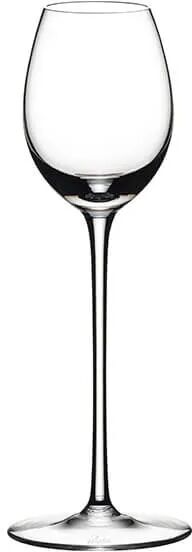
Riedel Sommeliers Orchard Fruit GlassDesigned for orchard fruit brandies such as apple and pear, the Riedel Sommeliers Orchard Fruit glass helps highlight fresh fruit aromas while keeping alcohol in balance. Its slender bowl allows delicate notes to gather and open gradually, delivering a clean, focused tasting experience that suits both lighter and more expressive fruit spirits. With a 125ml capacity, the glass is well sized for measured pours, while the 20cm height gives it a refined, elegant profile that helps keep the spirit away from hand warmth. The narrow shape concentrates fragrance at the rim, supporting clarity and definition from first sip to finish. Handmade from clear crystal, each glass is individually crafted, with subtle variations that reflect its artisanal nature. As part of Riedel’s original Sommeliers collection, the design follows a function‑led approach developed specifically for spirit tasting. Dishwasher safe and supplied as a single glass.88,00 £*Shipping: 0,00 £Secure redirect to the provider
-
Seasalt Saltings Crops BasketMeet your new favourite crops, the Seasalt Saltings Crops in Basket. These straight-leg trousers are made from naturally cool and breathable linen, and have been garment-dyed for a rich colour with a lived-in look. With added thoughtful details like a grown-on waistband for a smooth finish, and little side splits in the hems for distinctive details. There are two large utility-style pockets to the front as well as two patch pockets at the back. Made from 100% Linen. Machine washable.35,00 £*Shipping: 3,50 £Secure redirect to the provider
-
What are trophic levels and trophic structures?
Trophic levels refer to the hierarchical levels in an ecosystem through which energy and nutrients flow. They represent the feeding positions of different organisms in a food chain or food web. Trophic structures, on the other hand, describe the organization of these trophic levels within an ecosystem. This includes the distribution of energy and nutrients among different organisms, as well as the interactions and relationships between them. Overall, trophic levels and trophic structures are important concepts for understanding the flow of energy and nutrients in ecosystems and the dynamics of food chains and food webs. **
-
Are trophic levels and trophic levels the same in biology?
No, trophic levels and trophic levels are not the same in biology. Trophic levels refer to the hierarchical levels in an ecosystem based on an organism's position in the food chain, such as producers, primary consumers, secondary consumers, etc. On the other hand, trophic cascades are the indirect effects that occur when a change in one trophic level impacts other trophic levels in the ecosystem. Both concepts are important in understanding the dynamics of energy flow and interactions within ecosystems. **
-
Are trophic levels and trophic levels the same thing in biology?
No, "trophic levels" and "trophic levels" are not the same thing in biology. "Trophic levels" refer to the hierarchical levels in an ecosystem based on an organism's position in the food chain, such as producers, primary consumers, secondary consumers, and so on. On the other hand, "trophic levels" appears to be a typographical error or a repetition of the term "trophic levels." In biology, it is important to use accurate and specific terminology to avoid confusion and miscommunication. **
-
Why do organisms get larger from trophic level to trophic level?
Organisms tend to get larger from one trophic level to the next because as energy is transferred up the food chain, there is a loss of energy at each level. This means that organisms at higher trophic levels need to consume larger quantities of organisms from lower trophic levels to obtain enough energy to sustain themselves. Additionally, larger organisms are more efficient at capturing and consuming prey, allowing them to thrive at higher trophic levels. Finally, larger organisms have a lower surface area to volume ratio, which helps them retain heat and energy more effectively. **
Similar search terms for Trophic
-
Avani 5-Piece Rectangular Dining Set - Harvest, Harvest/Harvest Avani Side Chairs - Grandin RoadWood dining set: seats up to eight; includes extending dining table and four side chairs (your choice of Avani, Corinne, or Corinne Tufted). Avani Extending Table: includes removable 20-inch leaf and sturdy baluster legs; a high-quality veneer...2199,00 $*Shipping: 299,00 $Secure redirect to the provider
-
Summit 5-Piece Round Dining Set - Harvest, Harvest/Harvest Summit Dining Chairs - Grandin RoadWood dining set: seats four; includes a table and four upholstered chairs (your choice of Summit, Avondale or Sanibel). Summit Table: well-crafted from solid hardwood and engineered wood plus a high-quality oak veneer for flawless surfaces,...1699,00 $*Shipping: 299,00 $Secure redirect to the provider
-
Summit 5-Piece Rectangular Dining Set - Harvest, Harvest/Harvest Summit Dining Chairs - Grandin RoadWood dining set: seats six to eight; includes an extending table and four upholstered chairs (your choice of Summit, Avondale or Sanibel) . Summit Extending Table: self-storing butterfly leaf with locating pins and latch lock hardware; well-crafted...1799,00 $*Shipping: 299,00 $Secure redirect to the provider
-
Modern Harvest Tools & Trends Durable Yellow Banana Storage Bags, Insulated Fruit & Vegetable Fresh Keep Bundle With Pocket Drawstring 5pcKeep Bananas Fresh Longer with Premium StorageTired of bananas ripening too fast Our durable yellow banana storage bags are designed to lock in freshness, keeping your bananas firm and delicious for days. Made from highquality, insulated fruit &...24,97 $*Shipping: 0,00 $Secure redirect to the provider
-
Why do organisms become larger from trophic level to trophic level?
Organisms become larger from trophic level to trophic level due to the efficiency of energy transfer in ecosystems. As energy is transferred from one trophic level to the next, there is a loss of energy in the form of heat and metabolic processes. Larger organisms are able to consume more energy-rich food sources and have a more efficient metabolism, allowing them to grow in size as they move up the food chain. Additionally, larger organisms are better equipped to capture and consume prey, giving them a competitive advantage in obtaining energy and resources. **
-
Why does the biomass decrease from trophic level to trophic level?
Biomass decreases from trophic level to trophic level because energy is lost as it moves through the food chain. Organisms at each trophic level use some of the energy they consume for their own metabolic processes, such as respiration and movement, and the rest is lost as heat. This means that there is less energy available to be passed on to the next trophic level, resulting in a decrease in biomass. Additionally, not all of the energy from one trophic level is consumed by the next level, as some is lost through waste and uneaten parts of organisms. **
-
What are trophic levels in biology?
Trophic levels in biology refer to the hierarchical levels in an ecosystem where organisms are grouped based on their feeding relationships. The primary producers, such as plants, are at the base of the trophic levels as they convert sunlight into energy through photosynthesis. Herbivores that feed on plants are at the next level, followed by carnivores that eat herbivores. Each trophic level represents a transfer of energy and nutrients through the ecosystem, with energy decreasing as it moves up the levels. **
-
What is the trophic level of omnivores?
Omnivores are organisms that consume both plants and animals, so their trophic level can vary. When they consume plants, they are considered primary consumers (herbivores) and when they consume animals, they are considered secondary consumers (carnivores). This means that omnivores can occupy multiple trophic levels within a food web, depending on their diet. **
* All prices are inclusive of VAT and, if applicable, plus shipping costs. The offer information is based on the details provided by the respective shop and is updated through automated processes. Real-time updates do not occur, so deviations can occur in individual cases. ** Note: Parts of this content were created by AI.