Buy obstbau.eu ?
We are moving the project
obstbau.eu .
Are you interested in purchasing the domain
obstbau.eu ?
domain@kv-gmbh.de · 0541-91531010
Buy obstbau.eu ?
What intermolecular forces exist?
Intermolecular forces are the forces of attraction and repulsion between molecules. The main types of intermolecular forces include London dispersion forces, dipole-dipole interactions, and hydrogen bonding. London dispersion forces are the weakest type of intermolecular force and occur between all molecules. Dipole-dipole interactions occur between polar molecules, where the positive end of one molecule is attracted to the negative end of another. Hydrogen bonding is a special type of dipole-dipole interaction that occurs when hydrogen is bonded to highly electronegative atoms like oxygen, nitrogen, or fluorine. **
What are intermolecular interactions?
Intermolecular interactions are the forces of attraction or repulsion between molecules. These interactions play a crucial role in determining the physical and chemical properties of substances. Examples of intermolecular interactions include hydrogen bonding, van der Waals forces, and dipole-dipole interactions. These forces can affect properties such as boiling and melting points, solubility, and viscosity. **


Similar search terms for Intermolecular
Top-Angebote
Products related to Intermolecular:
-
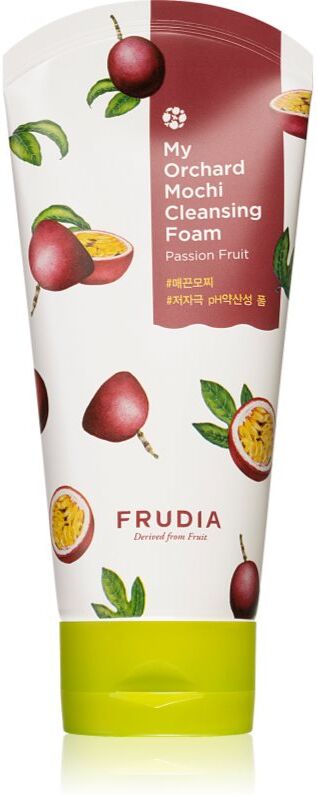
Frudia My Orchard Passion Fruit exfoliating foam cleanser 120 mlFrudia My Orchard Passion Fruit, 120 ml, Cleansing for Women, Before you start your regular skincare routine, it is very important to prepare your skin with a thorough cleansing - without it, the following beauty care routine would not be nearly as effective. The FrudiaMy Orchard cleanser helps to remove all the impurities that have settled on the skin and in the pores throughout the day or overnight, leaving the skin perfectly clean and ready for any further skin treatments. Characteristics: washes the whole face gently and thoroughly refreshes pleasantly prevents skin from drying out Ingredients: vegan product How to use: Apply in the morning and/or evening to a damp face and lather. Then rinse off.3,92 £*Shipping: 3,99 £Secure redirect to the provider
-
Modern Harvest Tools & Trends Durable Yellow Banana Storage Bags, Insulated Fruit & Vegetable Fresh Keep Bundle With Pocket Drawstring 5pcKeep Bananas Fresh Longer with Premium StorageTired of bananas ripening too fast Our durable yellow banana storage bags are designed to lock in freshness, keeping your bananas firm and delicious for days. Made from highquality, insulated fruit &...24,97 $*Shipping: 0,00 $Secure redirect to the provider
-
Corinne Dining Armchair - Harvest, Harvest/Marbled Mineral - Grandin RoadGenerous foam and spring cushion for long-lasting comfort . Durable hardwood construction with strong joinery . Wood finishes and upholstery colors to complement a wide variety of decors . Non-marring foot guides to protect your floors . Bonded...359,20 $*Shipping: 49,95 $Secure redirect to the provider



-
What are intermolecular forces?
Intermolecular forces are the attractive forces that exist between molecules. These forces are responsible for holding molecules together in a liquid or solid state. There are several types of intermolecular forces, including hydrogen bonding, dipole-dipole interactions, and London dispersion forces. These forces play a crucial role in determining the physical properties of substances, such as their boiling and melting points, as well as their solubility and viscosity. **
-
How are intermolecular forces classified?
Intermolecular forces are classified into three main categories: dispersion forces, dipole-dipole forces, and hydrogen bonding. Dispersion forces are the weakest type of intermolecular force and are caused by temporary fluctuations in electron distribution within molecules. Dipole-dipole forces occur between polar molecules and are stronger than dispersion forces. Hydrogen bonding is the strongest type of intermolecular force and occurs when hydrogen is bonded to highly electronegative atoms like oxygen, nitrogen, or fluorine. **
-
What are strong intermolecular interactions?
Strong intermolecular interactions are attractive forces between molecules that are stronger than typical van der Waals forces. These interactions can include hydrogen bonding, dipole-dipole interactions, and ion-dipole interactions. Strong intermolecular interactions play a crucial role in determining the physical properties of substances such as boiling point, melting point, and solubility. They are important in various biological processes, such as protein folding and DNA replication. **
-
Which intermolecular interactions are possible?
Intermolecular interactions that are possible include hydrogen bonding, dipole-dipole interactions, and London dispersion forces. Hydrogen bonding occurs when a hydrogen atom is bonded to a highly electronegative atom such as oxygen, nitrogen, or fluorine. Dipole-dipole interactions occur between molecules with permanent dipoles, while London dispersion forces are the weakest intermolecular interactions and occur between all molecules due to temporary fluctuations in electron distribution. These interactions play a crucial role in determining the physical properties of substances such as boiling and melting points. **


Which intermolecular forces are the strongest?
The strongest intermolecular forces are hydrogen bonding, which occurs when a hydrogen atom is bonded to a highly electronegative atom such as oxygen, nitrogen, or fluorine. Hydrogen bonding is stronger than dipole-dipole interactions and London dispersion forces. This is because hydrogen bonding involves a particularly strong attraction between the partially positive hydrogen atom and the partially negative atom it is bonded to, leading to a higher energy of interaction compared to other intermolecular forces. **
What are intermolecular interactions in chemistry?
Intermolecular interactions are the forces of attraction or repulsion between molecules. These interactions play a crucial role in determining the physical properties of substances, such as boiling point, melting point, and solubility. The main types of intermolecular interactions include hydrogen bonding, dipole-dipole interactions, and van der Waals forces. These interactions are weaker than chemical bonds within a molecule, but they still significantly impact the behavior and properties of substances. **
Top-Angebote
Products related to Intermolecular:
-
Riedel Sommeliers Orchard Fruit GlassDesigned for orchard fruit brandies such as apple and pear, the Riedel Sommeliers Orchard Fruit glass helps highlight fresh fruit aromas while keeping alcohol in balance. Its slender bowl allows delicate notes to gather and open gradually, delivering a clean, focused tasting experience that suits both lighter and more expressive fruit spirits. With a 125ml capacity, the glass is well sized for measured pours, while the 20cm height gives it a refined, elegant profile that helps keep the spirit away from hand warmth. The narrow shape concentrates fragrance at the rim, supporting clarity and definition from first sip to finish. Handmade from clear crystal, each glass is individually crafted, with subtle variations that reflect its artisanal nature. As part of Riedel’s original Sommeliers collection, the design follows a function‑led approach developed specifically for spirit tasting. Dishwasher safe and supplied as a single glass.88,00 £*Shipping: 0,00 £Secure redirect to the provider
-
Frudia My Orchard Passion Fruit exfoliating foam cleanser 120 mlFrudia My Orchard Passion Fruit, 120 ml, Cleansing for Women, Before you start your regular skincare routine, it is very important to prepare your skin with a thorough cleansing - without it, the following beauty care routine would not be nearly as effective. The FrudiaMy Orchard cleanser helps to remove all the impurities that have settled on the skin and in the pores throughout the day or overnight, leaving the skin perfectly clean and ready for any further skin treatments. Characteristics: washes the whole face gently and thoroughly refreshes pleasantly prevents skin from drying out Ingredients: vegan product How to use: Apply in the morning and/or evening to a damp face and lather. Then rinse off.3,92 £*Shipping: 3,99 £Secure redirect to the provider
-
What intermolecular forces exist?
Intermolecular forces are the forces of attraction and repulsion between molecules. The main types of intermolecular forces include London dispersion forces, dipole-dipole interactions, and hydrogen bonding. London dispersion forces are the weakest type of intermolecular force and occur between all molecules. Dipole-dipole interactions occur between polar molecules, where the positive end of one molecule is attracted to the negative end of another. Hydrogen bonding is a special type of dipole-dipole interaction that occurs when hydrogen is bonded to highly electronegative atoms like oxygen, nitrogen, or fluorine. **
-
What are intermolecular interactions?
Intermolecular interactions are the forces of attraction or repulsion between molecules. These interactions play a crucial role in determining the physical and chemical properties of substances. Examples of intermolecular interactions include hydrogen bonding, van der Waals forces, and dipole-dipole interactions. These forces can affect properties such as boiling and melting points, solubility, and viscosity. **
-
What are intermolecular forces?
Intermolecular forces are the attractive forces that exist between molecules. These forces are responsible for holding molecules together in a liquid or solid state. There are several types of intermolecular forces, including hydrogen bonding, dipole-dipole interactions, and London dispersion forces. These forces play a crucial role in determining the physical properties of substances, such as their boiling and melting points, as well as their solubility and viscosity. **
-
How are intermolecular forces classified?
Intermolecular forces are classified into three main categories: dispersion forces, dipole-dipole forces, and hydrogen bonding. Dispersion forces are the weakest type of intermolecular force and are caused by temporary fluctuations in electron distribution within molecules. Dipole-dipole forces occur between polar molecules and are stronger than dispersion forces. Hydrogen bonding is the strongest type of intermolecular force and occurs when hydrogen is bonded to highly electronegative atoms like oxygen, nitrogen, or fluorine. **
Similar search terms for Intermolecular
-
Modern Harvest Tools & Trends Durable Yellow Banana Storage Bags, Insulated Fruit & Vegetable Fresh Keep Bundle With Pocket Drawstring 5pcKeep Bananas Fresh Longer with Premium StorageTired of bananas ripening too fast Our durable yellow banana storage bags are designed to lock in freshness, keeping your bananas firm and delicious for days. Made from highquality, insulated fruit &...24,97 $*Shipping: 0,00 $Secure redirect to the provider
-
Corinne Dining Armchair - Harvest, Harvest/Marbled Mineral - Grandin RoadGenerous foam and spring cushion for long-lasting comfort . Durable hardwood construction with strong joinery . Wood finishes and upholstery colors to complement a wide variety of decors . Non-marring foot guides to protect your floors . Bonded...359,20 $*Shipping: 49,95 $Secure redirect to the provider
-
"HOMCOM Set of 2 1.7ft/20.75"" Artificial Ball Boxwood Topiary Trees with Fruit and Plant Pot, Indoor Outdoor Fake Plants"Descriptions: Want to grow plants but can't keep them green? Our artificial trees are exactly what you need they stay green and appealing season after season without trimming and shaping.126,99 $*Shipping: 0,00 $Secure redirect to the provider
-
Corinne Dining Armchair - Harvest, Harvest/ Marbled Bone - Grandin RoadGenerous foam and spring cushion for long-lasting comfort . Durable hardwood construction with strong joinery . Wood finishes and upholstery colors to complement a wide variety of decors . Non-marring foot guides to protect your floors . Bonded...359,20 $*Shipping: 49,95 $Secure redirect to the provider
-
What are strong intermolecular interactions?
Strong intermolecular interactions are attractive forces between molecules that are stronger than typical van der Waals forces. These interactions can include hydrogen bonding, dipole-dipole interactions, and ion-dipole interactions. Strong intermolecular interactions play a crucial role in determining the physical properties of substances such as boiling point, melting point, and solubility. They are important in various biological processes, such as protein folding and DNA replication. **
-
Which intermolecular interactions are possible?
Intermolecular interactions that are possible include hydrogen bonding, dipole-dipole interactions, and London dispersion forces. Hydrogen bonding occurs when a hydrogen atom is bonded to a highly electronegative atom such as oxygen, nitrogen, or fluorine. Dipole-dipole interactions occur between molecules with permanent dipoles, while London dispersion forces are the weakest intermolecular interactions and occur between all molecules due to temporary fluctuations in electron distribution. These interactions play a crucial role in determining the physical properties of substances such as boiling and melting points. **
-
Which intermolecular forces are the strongest?
The strongest intermolecular forces are hydrogen bonding, which occurs when a hydrogen atom is bonded to a highly electronegative atom such as oxygen, nitrogen, or fluorine. Hydrogen bonding is stronger than dipole-dipole interactions and London dispersion forces. This is because hydrogen bonding involves a particularly strong attraction between the partially positive hydrogen atom and the partially negative atom it is bonded to, leading to a higher energy of interaction compared to other intermolecular forces. **
-
What are intermolecular interactions in chemistry?
Intermolecular interactions are the forces of attraction or repulsion between molecules. These interactions play a crucial role in determining the physical properties of substances, such as boiling point, melting point, and solubility. The main types of intermolecular interactions include hydrogen bonding, dipole-dipole interactions, and van der Waals forces. These interactions are weaker than chemical bonds within a molecule, but they still significantly impact the behavior and properties of substances. **
* All prices are inclusive of VAT and, if applicable, plus shipping costs. The offer information is based on the details provided by the respective shop and is updated through automated processes. Real-time updates do not occur, so deviations can occur in individual cases. ** Note: Parts of this content were created by AI.