Buy obstbau.eu ?
We are moving the project
obstbau.eu .
Are you interested in purchasing the domain
obstbau.eu ?
domain@kv-gmbh.de · 0541-91531010
Buy obstbau.eu ?
How can fruit trees be protected from diseases?
Fruit trees can be protected from diseases by practicing good cultural practices such as proper pruning, adequate spacing between trees, and regular sanitation of the orchard. Additionally, using disease-resistant varieties of fruit trees can help prevent the spread of diseases. Applying organic or chemical sprays at the appropriate times can also help control and prevent diseases. Finally, monitoring the trees regularly for signs of disease and taking prompt action to address any issues can help protect fruit trees from diseases. **
What diseases can fruit trees in the garden have?
Fruit trees in the garden can be susceptible to a variety of diseases, including apple scab, fire blight, powdery mildew, and brown rot. These diseases can affect the leaves, fruit, and overall health of the tree, leading to reduced yields and poor fruit quality. It is important for gardeners to monitor their fruit trees for signs of disease and take appropriate measures to prevent and manage these issues, such as proper pruning, sanitation, and the use of disease-resistant varieties. **


Similar search terms for Diseases
Top-Angebote
Products related to Diseases:
-
Riedel Sommeliers Orchard Fruit GlassDesigned for orchard fruit brandies such as apple and pear, the Riedel Sommeliers Orchard Fruit glass helps highlight fresh fruit aromas while keeping alcohol in balance. Its slender bowl allows delicate notes to gather and open gradually, delivering a clean, focused tasting experience that suits both lighter and more expressive fruit spirits. With a 125ml capacity, the glass is well sized for measured pours, while the 20cm height gives it a refined, elegant profile that helps keep the spirit away from hand warmth. The narrow shape concentrates fragrance at the rim, supporting clarity and definition from first sip to finish. Handmade from clear crystal, each glass is individually crafted, with subtle variations that reflect its artisanal nature. As part of Riedel’s original Sommeliers collection, the design follows a function‑led approach developed specifically for spirit tasting. Dishwasher safe and supplied as a single glass.88,00 £*Shipping: 0,00 £Secure redirect to the provider
-
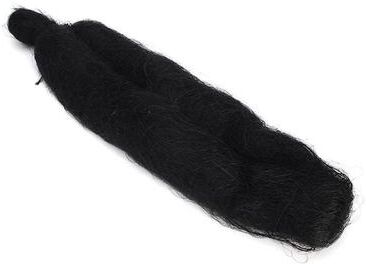
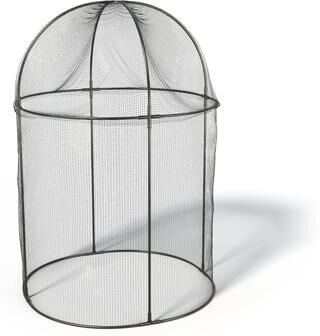
Inspired Living 15m X 3m Anti Bird Netting For Orchards & Gardens Lightweight Fruit Tree Netting To Protect Crops 15m X 3m Anti Bird Netting For Orchards & Gardens Lightweight Fruit Tree Netting To Protect CropsNothing is more frustrating than watching birds destroy fruit right before harvest. This durable, lightweight net creates a reliable barrier that helps protect your orchard, garden beds, and fruit trees without harming wildlife. Designed for growers...23,97 $*Shipping: 0,00 $Secure redirect to the provider


-
How do I dose copper sulfate to combat fungal diseases on roses and fruit trees?
To effectively combat fungal diseases on roses and fruit trees using copper sulfate, it is important to follow the recommended dosage instructions provided on the product label. Typically, a solution of copper sulfate is mixed with water at a specific ratio and then sprayed onto the affected plants. It is important to apply the solution evenly, covering all parts of the plant, including the undersides of leaves where fungal spores may be present. It is also important to avoid overuse of copper sulfate, as excessive amounts can be harmful to plants and the environment. **
-
Are civilization diseases not genetic diseases?
Civilization diseases, also known as lifestyle diseases, are not genetic diseases. They are primarily caused by unhealthy lifestyle choices such as poor diet, lack of physical activity, smoking, and excessive alcohol consumption. While genetics can play a role in certain civilization diseases, such as type 2 diabetes and heart disease, the primary contributing factors are environmental and behavioral. Therefore, civilization diseases are not solely genetic in nature. **
-
How do infectious diseases and genetic diseases differ?
Infectious diseases are caused by pathogens such as bacteria, viruses, fungi, or parasites that can be transmitted from one person to another. These diseases are often preventable through measures such as vaccination, proper hygiene, and avoiding contact with infected individuals. On the other hand, genetic diseases are caused by abnormalities in an individual's genetic makeup and are not typically contagious. They are often inherited from one or both parents and can result in a wide range of health issues, from mild to severe. While infectious diseases can be treated with antibiotics or antiviral medications, genetic diseases often require ongoing management and treatment to alleviate symptoms and improve quality of life. **
-
What are the studies of family trees in genetically inherited diseases?
The study of family trees in genetically inherited diseases is known as genetic genealogy or medical genetics. This field involves tracing the inheritance patterns of specific diseases or genetic traits within families to understand how they are passed down from one generation to the next. By analyzing family trees and genetic information, researchers can identify patterns of inheritance, pinpoint specific genetic mutations, and assess the risk of developing certain diseases within a family. This information is crucial for understanding the genetic basis of diseases and developing targeted treatments or preventive measures. **

What is the comparison between genetically inherited diseases and infectious diseases?
Genetically inherited diseases are caused by abnormalities in an individual's genetic makeup, which are passed down from their parents. These diseases are not contagious and cannot be spread from person to person. On the other hand, infectious diseases are caused by pathogens such as bacteria, viruses, or fungi, and can be transmitted from one person to another through various means such as direct contact, airborne particles, or contaminated food and water. While both types of diseases can have serious health implications, the methods of transmission and underlying causes are different. **
Can horseflies transmit diseases?
Yes, horseflies can transmit diseases to humans and animals through their bites. They are known to carry and transmit diseases such as equine infectious anemia and tularemia. Horsefly bites can also lead to secondary infections due to the bacteria they carry on their mouthparts. It is important to take precautions to prevent horsefly bites, especially in areas where they are prevalent. **
Top-Angebote
Products related to Diseases:
-
DK RHS Pruning & Training, RHS Propagating Plants, RHS Pests & Diseases 3 Books Collection SetRHS Pruning & Training, RHS Propagating Plants, RHS Pests & Diseases 3 Books Collection Set: RHS Pruning & Training: Learn how to prune and train fruit bushes, fruit trees, roses, and woody ornamentals with this best-selling plant-by-plant guide - now in its 4th edition. RHS Propagating Plants: Learn how to propagate virtually every type of plant, from fruit trees and ornamental shrubs to exotic orchids and succulents. Packed with hundreds of step-by-step tutorials, this new edition of RHS Propagating Plants is your go-to guide for clear and instructive propagation advice. RHS Pests & Diseases: Have you got a plant with a problem and don't know how to fix it? This unrivalled practical reference is all you need to nurse it back to health.25,99 £*Shipping: 2,99 £Secure redirect to the provider
-
DK RHS Pests and Diseases The Definitive Practical Guide to Identifying and Treating Garden ProblemsKeep your garden healthy and thriving with RHS Pests and Diseases, the essential reference guide for identifying, understanding, and treating common garden problems.Published by the Royal Horticultural Society, this trusted handbook combines expert advice, detailed photographs, and practical solutions to help gardeners tackle issues affecting flowers, fruit, vegetables, trees, and houseplants. Discover how to recognize symptoms, diagnose causes, and choose the most effective organic or chemical treatments. Whether it’s aphids on roses, mildew on tomatoes, or mysterious leaf spots, this book provides clear, step-by-step guidance to restore your garden to good health. Perfect for beginners and experienced gardeners alike, RHS Pests and Diseases is an indispensable companion for anyone serious about successful, sustainable gardening. Comprehensive A–Z reference of pests, diseases, and disorders Over 1,000 color photographs for easy plant problem identification Expert advice from the Royal Horticultural Society Covers flowers, vegetables, fruit, shrubs, lawns, and houseplants Essential gardening guide for diagnosing and treating problems effectively6,49 £*Shipping: 2,99 £Secure redirect to the provider
-
Riedel Sommeliers Orchard Fruit GlassDesigned for orchard fruit brandies such as apple and pear, the Riedel Sommeliers Orchard Fruit glass helps highlight fresh fruit aromas while keeping alcohol in balance. Its slender bowl allows delicate notes to gather and open gradually, delivering a clean, focused tasting experience that suits both lighter and more expressive fruit spirits. With a 125ml capacity, the glass is well sized for measured pours, while the 20cm height gives it a refined, elegant profile that helps keep the spirit away from hand warmth. The narrow shape concentrates fragrance at the rim, supporting clarity and definition from first sip to finish. Handmade from clear crystal, each glass is individually crafted, with subtle variations that reflect its artisanal nature. As part of Riedel’s original Sommeliers collection, the design follows a function‑led approach developed specifically for spirit tasting. Dishwasher safe and supplied as a single glass.88,00 £*Shipping: 0,00 £Secure redirect to the provider
-
Inspired Living 15m X 3m Anti Bird Netting For Orchards & Gardens Lightweight Fruit Tree Netting To Protect Crops 15m X 3m Anti Bird Netting For Orchards & Gardens Lightweight Fruit Tree Netting To Protect CropsNothing is more frustrating than watching birds destroy fruit right before harvest. This durable, lightweight net creates a reliable barrier that helps protect your orchard, garden beds, and fruit trees without harming wildlife. Designed for growers...23,97 $*Shipping: 0,00 $Secure redirect to the provider
-
How can fruit trees be protected from diseases?
Fruit trees can be protected from diseases by practicing good cultural practices such as proper pruning, adequate spacing between trees, and regular sanitation of the orchard. Additionally, using disease-resistant varieties of fruit trees can help prevent the spread of diseases. Applying organic or chemical sprays at the appropriate times can also help control and prevent diseases. Finally, monitoring the trees regularly for signs of disease and taking prompt action to address any issues can help protect fruit trees from diseases. **
-
What diseases can fruit trees in the garden have?
Fruit trees in the garden can be susceptible to a variety of diseases, including apple scab, fire blight, powdery mildew, and brown rot. These diseases can affect the leaves, fruit, and overall health of the tree, leading to reduced yields and poor fruit quality. It is important for gardeners to monitor their fruit trees for signs of disease and take appropriate measures to prevent and manage these issues, such as proper pruning, sanitation, and the use of disease-resistant varieties. **
-
How do I dose copper sulfate to combat fungal diseases on roses and fruit trees?
To effectively combat fungal diseases on roses and fruit trees using copper sulfate, it is important to follow the recommended dosage instructions provided on the product label. Typically, a solution of copper sulfate is mixed with water at a specific ratio and then sprayed onto the affected plants. It is important to apply the solution evenly, covering all parts of the plant, including the undersides of leaves where fungal spores may be present. It is also important to avoid overuse of copper sulfate, as excessive amounts can be harmful to plants and the environment. **
-
Are civilization diseases not genetic diseases?
Civilization diseases, also known as lifestyle diseases, are not genetic diseases. They are primarily caused by unhealthy lifestyle choices such as poor diet, lack of physical activity, smoking, and excessive alcohol consumption. While genetics can play a role in certain civilization diseases, such as type 2 diabetes and heart disease, the primary contributing factors are environmental and behavioral. Therefore, civilization diseases are not solely genetic in nature. **
Similar search terms for Diseases
-
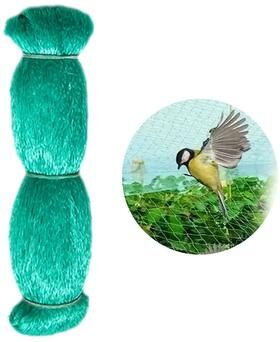
Inspire Select Bird Proof Garden Netting .79 In Mesh Nylon Plant Protection Net For Fruit Trees, Vegetables & Orchard Use green 13.12 Ft 49.21 FtProtect the harvest you worked so hard to growwithout harming wildlife. Designed for gardeners, farmers, and backyard growers, this bird protection netting creates a reliable barrier that keeps birds and pests away from fruits and vegetables. The...46,98 $*Shipping: 0,00 $Secure redirect to the provider
-
Inspire Select Bird Proof Garden Netting .79 In Mesh Nylon Plant Protection Net For Fruit Trees, Vegetables & Orchard Use green 13.12 Ft 16.40 FtProtect the harvest you worked so hard to growwithout harming wildlife. Designed for gardeners, farmers, and backyard growers, this bird protection netting creates a reliable barrier that keeps birds and pests away from fruits and vegetables. The...73,98 $*Shipping: 0,00 $Secure redirect to the provider
-
How do infectious diseases and genetic diseases differ?
Infectious diseases are caused by pathogens such as bacteria, viruses, fungi, or parasites that can be transmitted from one person to another. These diseases are often preventable through measures such as vaccination, proper hygiene, and avoiding contact with infected individuals. On the other hand, genetic diseases are caused by abnormalities in an individual's genetic makeup and are not typically contagious. They are often inherited from one or both parents and can result in a wide range of health issues, from mild to severe. While infectious diseases can be treated with antibiotics or antiviral medications, genetic diseases often require ongoing management and treatment to alleviate symptoms and improve quality of life. **
-
What are the studies of family trees in genetically inherited diseases?
The study of family trees in genetically inherited diseases is known as genetic genealogy or medical genetics. This field involves tracing the inheritance patterns of specific diseases or genetic traits within families to understand how they are passed down from one generation to the next. By analyzing family trees and genetic information, researchers can identify patterns of inheritance, pinpoint specific genetic mutations, and assess the risk of developing certain diseases within a family. This information is crucial for understanding the genetic basis of diseases and developing targeted treatments or preventive measures. **
-
What is the comparison between genetically inherited diseases and infectious diseases?
Genetically inherited diseases are caused by abnormalities in an individual's genetic makeup, which are passed down from their parents. These diseases are not contagious and cannot be spread from person to person. On the other hand, infectious diseases are caused by pathogens such as bacteria, viruses, or fungi, and can be transmitted from one person to another through various means such as direct contact, airborne particles, or contaminated food and water. While both types of diseases can have serious health implications, the methods of transmission and underlying causes are different. **
-
Can horseflies transmit diseases?
Yes, horseflies can transmit diseases to humans and animals through their bites. They are known to carry and transmit diseases such as equine infectious anemia and tularemia. Horsefly bites can also lead to secondary infections due to the bacteria they carry on their mouthparts. It is important to take precautions to prevent horsefly bites, especially in areas where they are prevalent. **
* All prices are inclusive of VAT and, if applicable, plus shipping costs. The offer information is based on the details provided by the respective shop and is updated through automated processes. Real-time updates do not occur, so deviations can occur in individual cases. ** Note: Parts of this content were created by AI.